
Hear
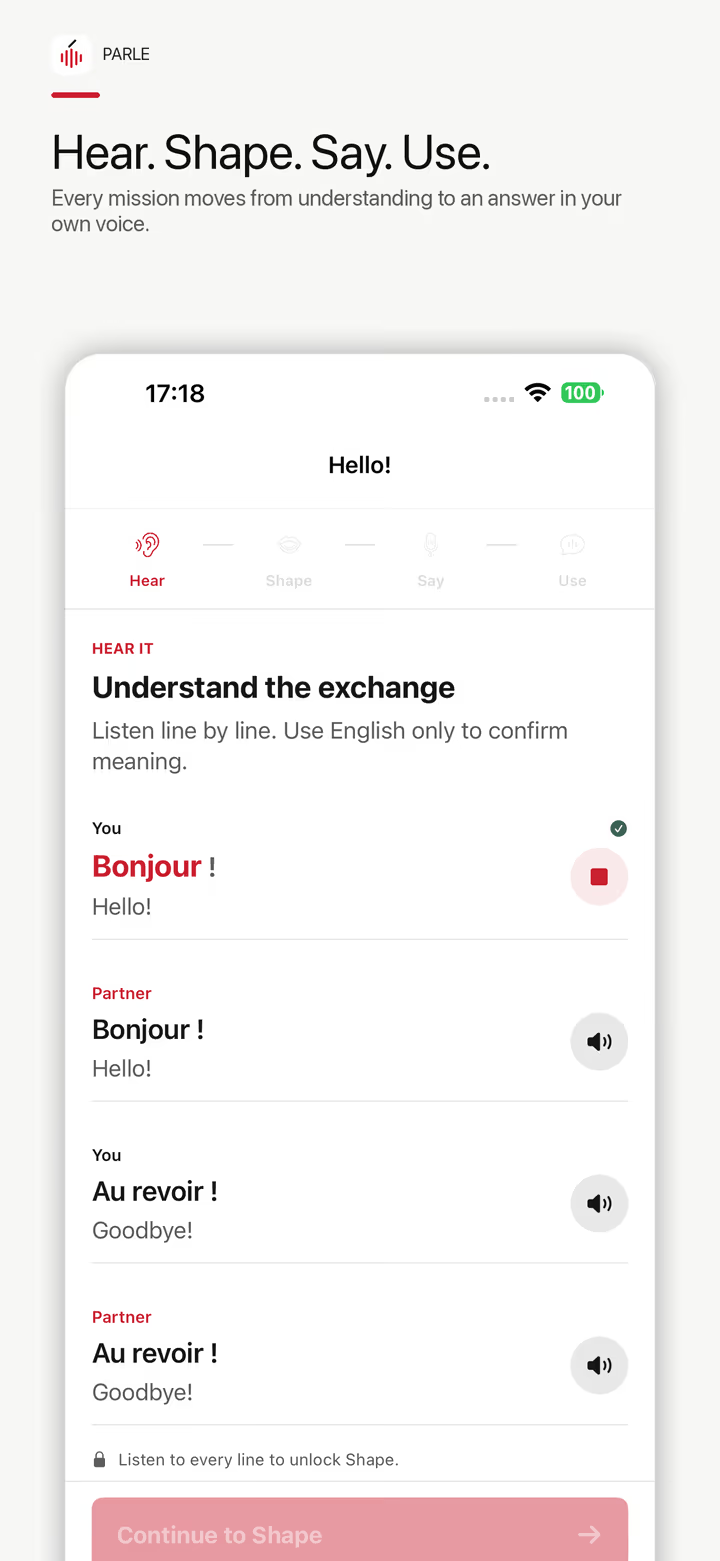
Understand a useful exchange through reviewed French model audio and English meaning support.
French speaking · built from sound
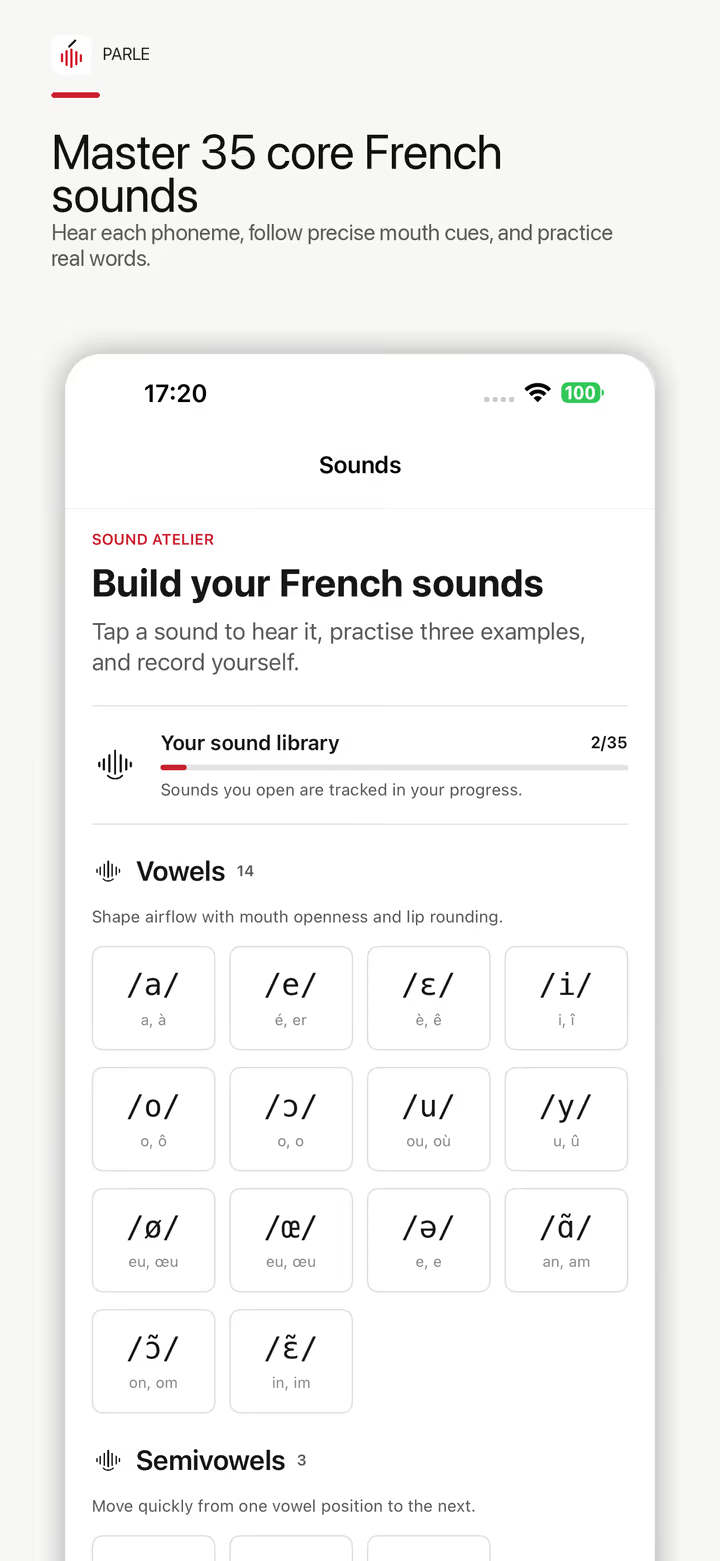
Connect 35 core French sounds to 120 ordered speaking missions, then hear, shape, say, and use French in practical situations.

What is Parle?
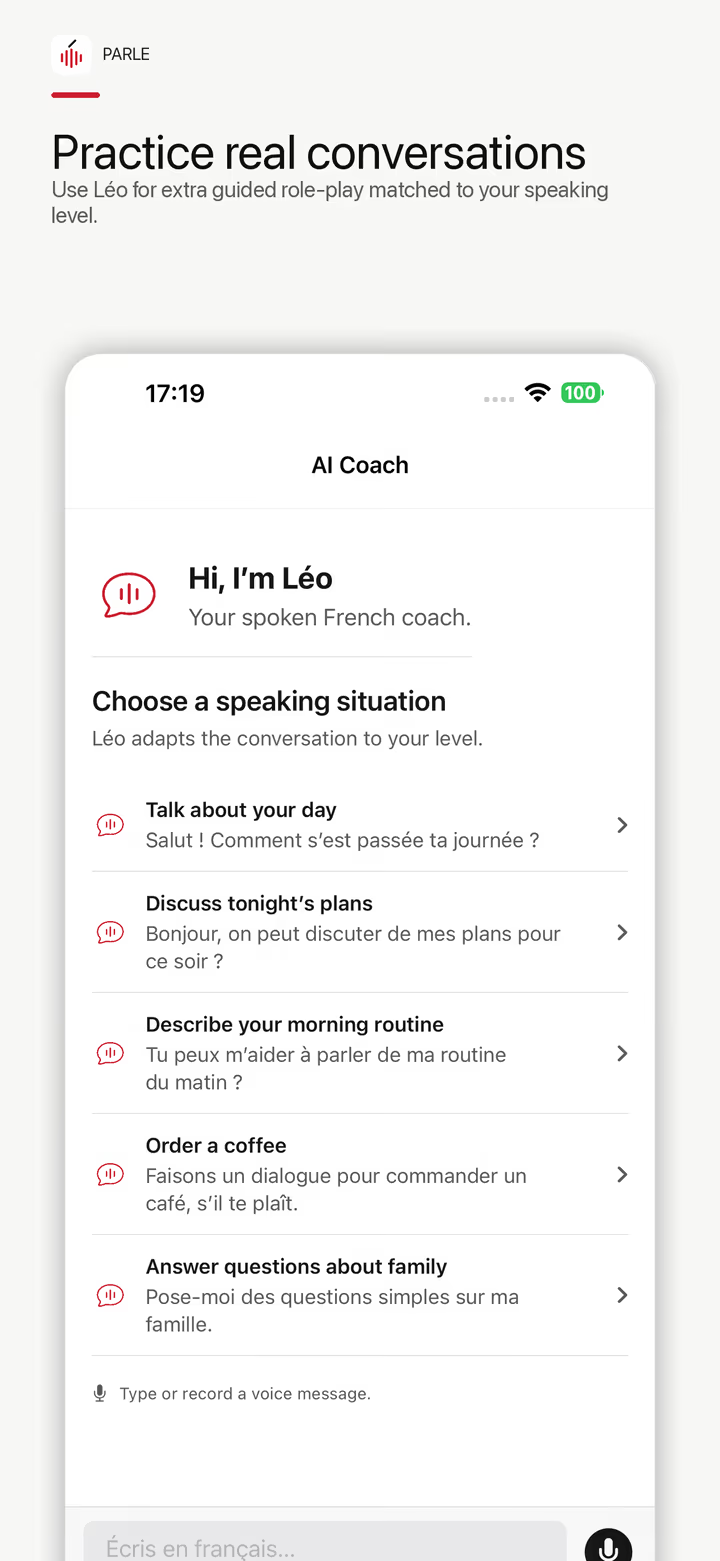
Parle is a pronunciation-first spoken French course for complete beginners and A0-A2 learners. It combines a structured speaking path, a 35-sound IPA library, reviewed model audio, voice recording, guided role-play, progress evidence, and optional conversation practice with AI Coach Léo.
The speaking loop
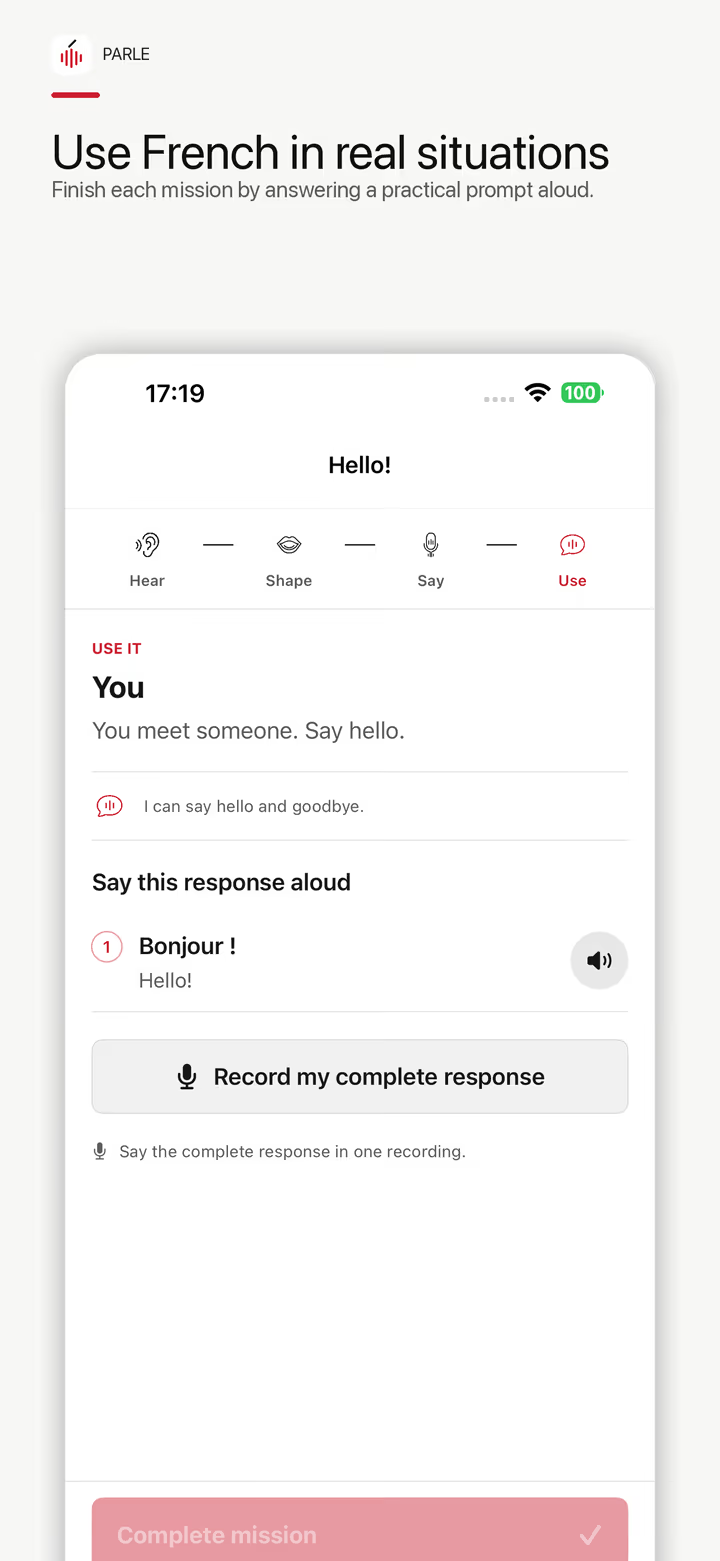
Every mission moves from understanding a useful exchange to recording an answer in your own voice.
Understand a useful exchange through reviewed French model audio and English meaning support.
Focus on one mouth, tongue, lip, or airflow cue before repeating the phrase.
Record the model phrase, replay it, and use Phrase Match only as a word-detection signal.
Answer a practical role-play prompt in your own voice.
One ordered path
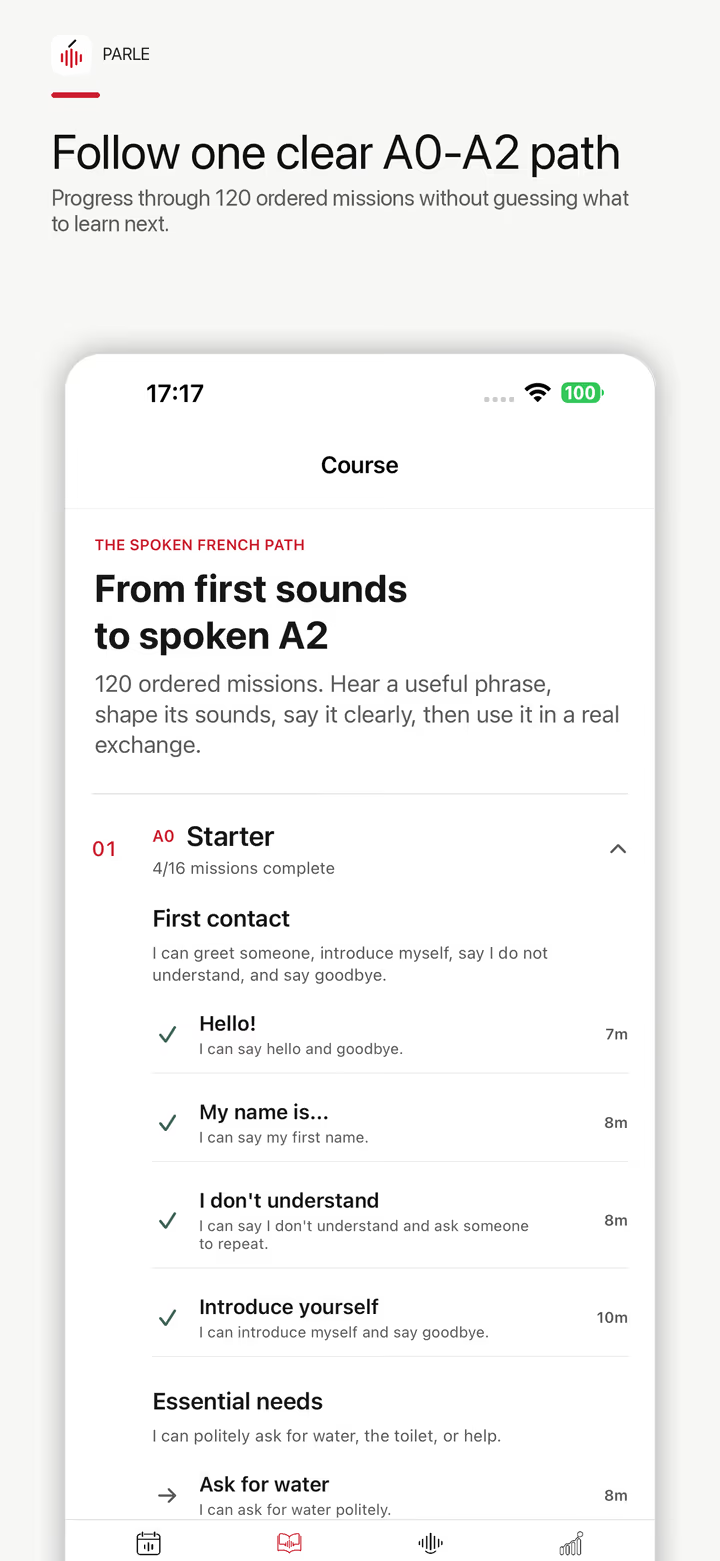
Six stages and 120 missions remove the guesswork from what to practise next.
Produce essential sounds and complete first exchanges.
Exchange personal information and talk about daily life.
Handle predictable situations with simple sentences.
Connect sentences to narrate, plan, and explain.
Sustain practical exchanges and answer follow-up questions.
Complete integrated speaking tasks in familiar situations.
Inside the latest Parle
Every image below is a real screen from the latest mission-based product experience.
Choose your starting point
Practise IPA sounds, vowels, nasal vowels, semi-vowels, and consonants.
GuideStart with the sound-first path for English-speaking beginners.
PracticeUse shadowing, recording, minimal pairs, rhythm, and weak-sound review.
547 audio entriesHear reviewed model audio, read the English meaning, and see each line inside its complete conversation.
52 lessonsOpen six-phrase practice sets with English meaning and minimal-pair contrasts.
60 situationsRead six-turn exchanges with IPA, English meaning, and cultural context.
ComparisonChoose a tool by its actual feedback type and practice goal.
Clear evidence, honest limits
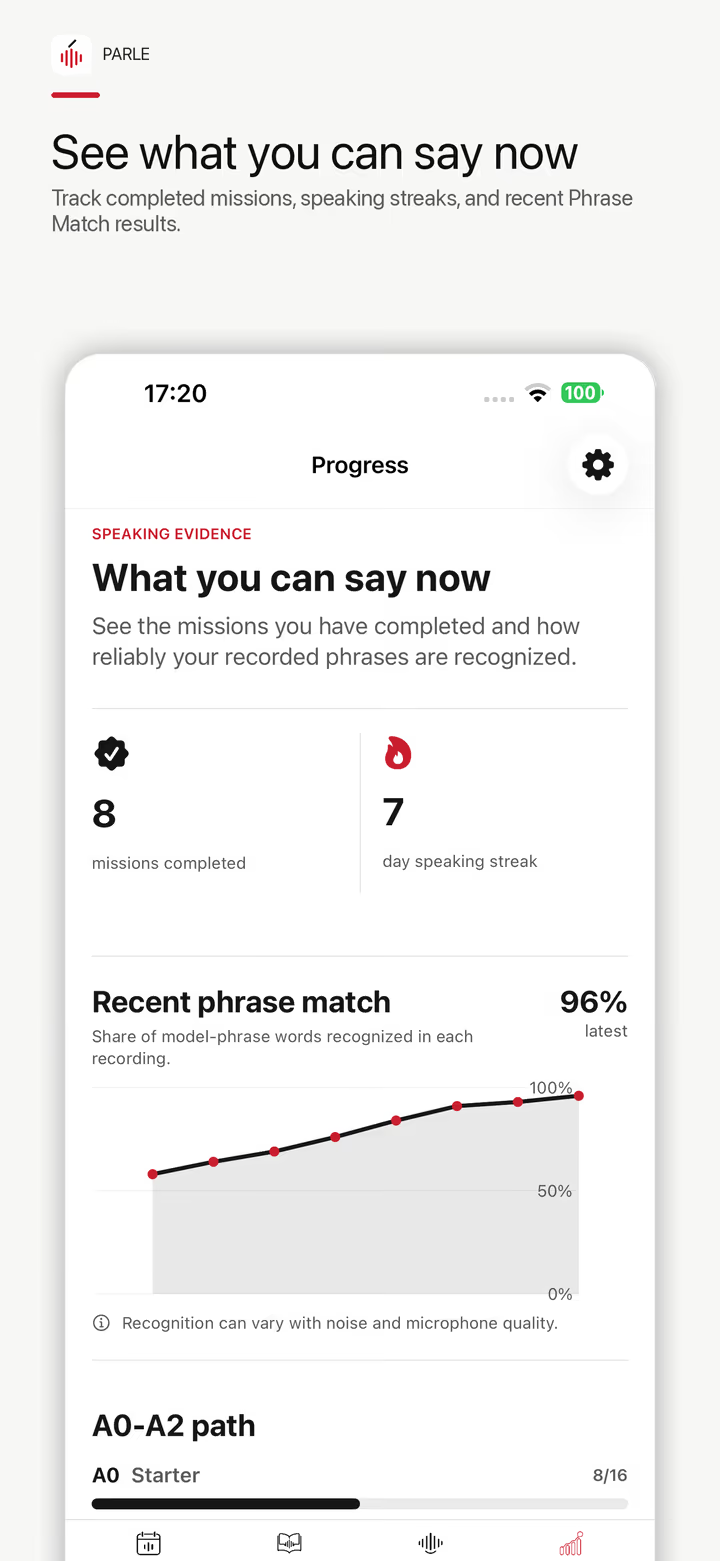
It reports which model-phrase words speech recognition detected and can be affected by noise.
Stage checks organize observable practice; they do not award official certification.
Generated conversation practice remains separate from reviewed course content.
Questions before you download
Parle is a pronunciation-first iOS course for English-speaking beginners with 120 ordered A0-A2 speaking missions, 35 core French sounds, reviewed model audio, recording, role-play, and optional AI Coach practice.
In French, parle is a form of parler: to speak or to talk. Capitalized Parle here is the name of the iPhone and iPad app.
Hear the pronunciation and see examplesYes. The path starts at A0 with greetings, introductions, essential needs, numbers, and short survival exchanges.
No. Phrase Match reports which words in the model phrase speech recognition detected. It is not an accent, fluency, proficiency, or CEFR score.
No. The A0-A2 path organizes observable speaking practice and does not award official CEFR certification.
Start with one useful phrase
Free starter practice with optional Premium access. The App Store and in-app purchase screen are the sources for current prices and terms.